Everest region
Tengboche, Nepal
- 3,867 m
- Fly-in
- Best Apr–May, Oct–Nov
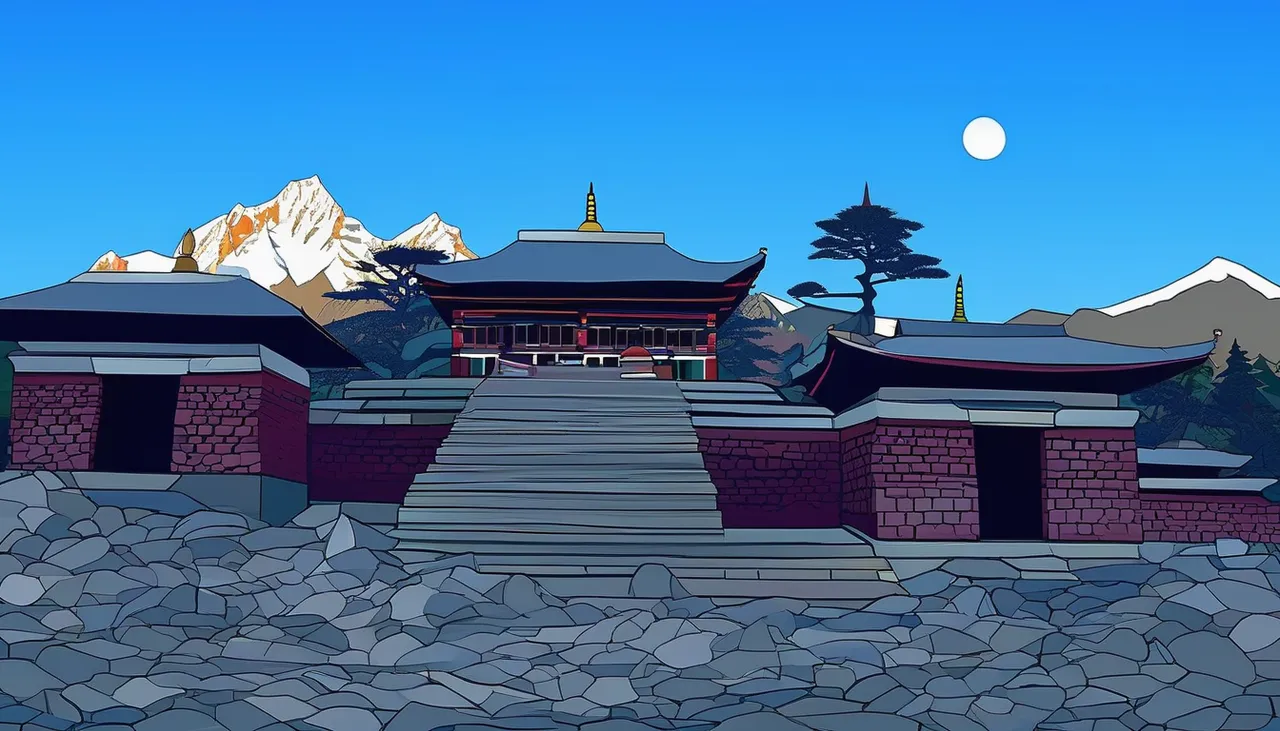
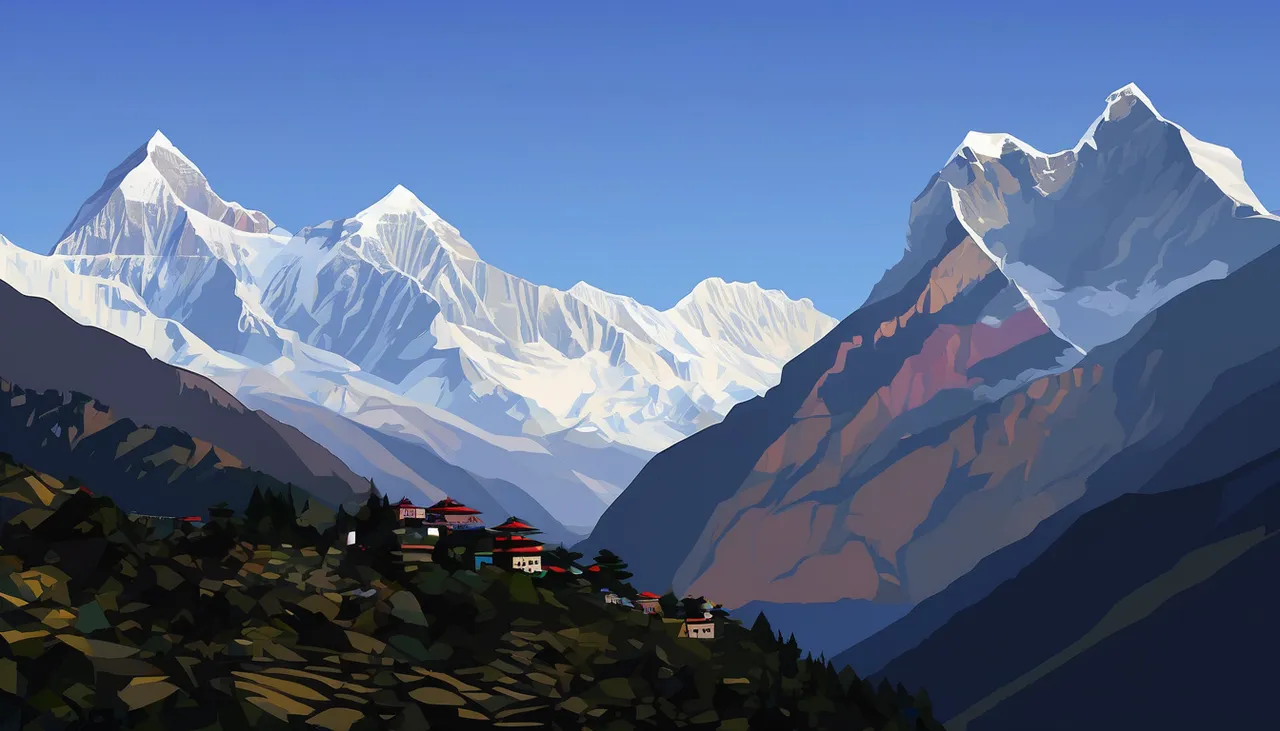
In short: Tengboche (3,867 m) is home to the Khumbu’s largest monastery, on a forested saddle facing Ama Dablam and Everest, four days’ walk from Lukla after a flight from Kathmandu.
At a glance
- Up to 15 guests
- From US$1,950 whole event
- 3 celebrations
- Flight to Lukla + 4 days’ walk from Kathmandu
- Jan
- Feb
- Mar
- Apr
- May
- Jun
- Jul
- Aug
- Sep
- Oct
- Nov
- Dec
Why here
Why couples choose Tengboche
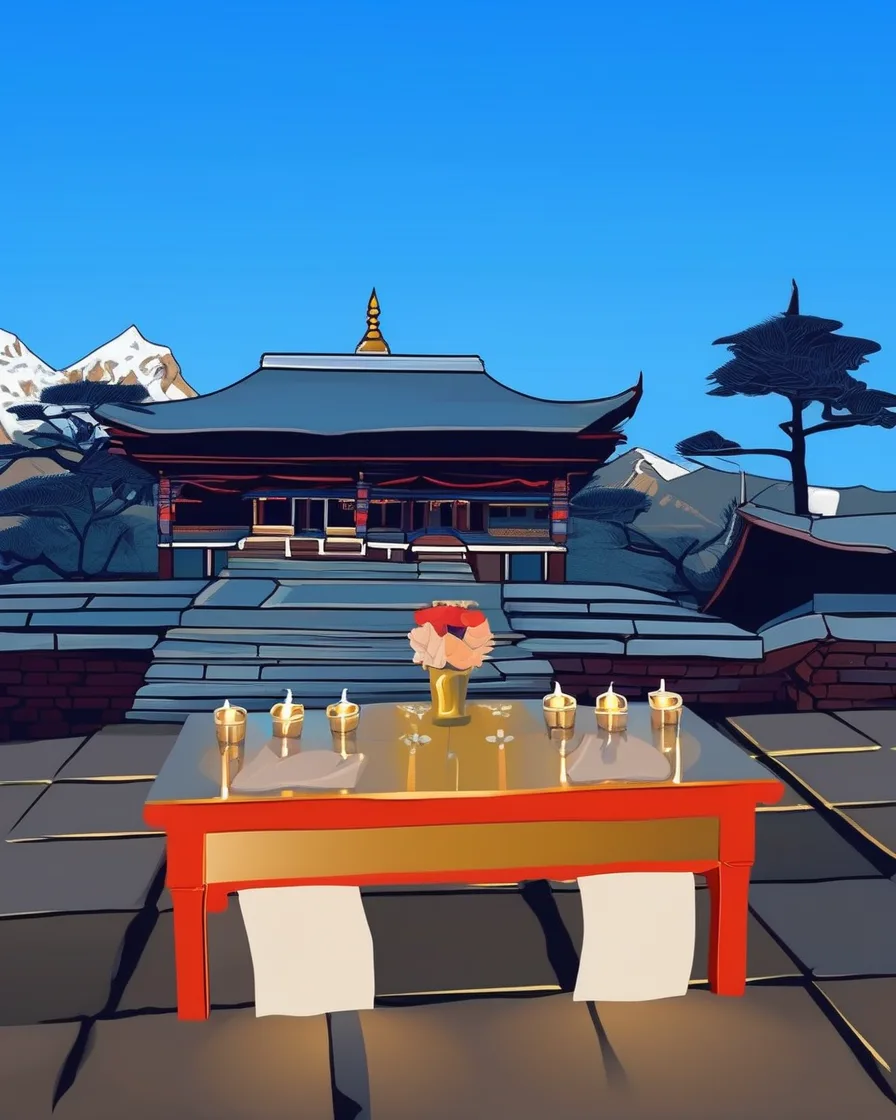
- Tengboche Monastery (Dawa Choling Gompa)
- Ama Dablam (6,812 m) to the east and Everest
- Rhododendron forest on the approach, flowering in April
- Dawn alpenglow on Everest and an Ama Dablam silhouette
Celebrations
What we plan in Tengboche
-
Wedding Photography
From US$1,9502–3 people
-
Honeymoon
From US$7,6002 people
-
Buddhist Blessing
From US$10,1502–11 people
Whole-event prices with VAT.
The guide
The monastery and the blessing
Tengboche Monastery was founded in 1916 by Lama Gulu and rebuilt after the 1934 earthquake and again after the 1989 fire. It is the seat of the Mani Rimdu festival. A blessing here means an audience with a lama, an exchange of white khata scarves and a donation, arranged with the monastery office and timed to avoid the dawn and mid-afternoon pujas.
Read more
You join as participants, on the monastery’s terms. If the monastery cannot receive you on your date, a lama can bless you at your lodge instead.
Monastery etiquette
- Shoulders and knees covered; hats and shoes off in the assembly hall.
- Sit at the back or sides during puja, and never point your feet at the altar or the lamas.
- No flash. Ask before any photograph inside; it is often not allowed.
- No alcohol or smoking on the monastery grounds, and no music.
- Don’t touch statues, thangkas or ritual instruments. Make a donation.
- Keep romantic poses and kisses for the saddle or the lodge, away from the courtyard.
Where the photographs happen
From the open grassy saddle 100–200 m from the monastery gate, outside the monastery grounds, Ama Dablam fills the eastern sky. We shoot quietly, with the lodge’s and monastery office’s knowledge and away from puja times. Lodge terraces give the same view in more comfort, and the monastery front itself is photographed from a respectful distance in the late-afternoon light.
Season and light
April brings rhododendrons in flower on the approach. October and November bring the clearest skies and, in some years, Mani Rimdu: in 2026 it ran 26–28 October (Nepal Hiking Team). The festival follows the Tibetan lunar calendar, so we confirm the dates each year.
Read more
During Mani Rimdu, lodges fill completely and blessings are rarely possible, but the masked dances are a remarkable thing to witness as respectful spectators. Light: dawn gives alpenglow on Everest and Ama Dablam in silhouette; late afternoon warms the monastery front.
Altitude
Tengboche is 427 m above Namche, after a big descent and climb. CDC Yellow Book guidance: do not sleep above 2,750 m on the first night; above 3,000 m, raise sleeping altitude by no more than about 500 m a night, with a rest day for every 1,000 m gained. Coming from a Namche rest day keeps the gain within that limit. Nights are well below freezing from October onward. Lodges are simple, so bring a warm sleeping bag even if you are on a luxury trek.
Getting there
Fly to Lukla (about US$238 one way from Kathmandu or US$198 from Ramechhap; Nepal Cheap Flights 2026), sleep at Phakding, walk to Namche and take a rest day there. On day 4 the trail contours above the Dudh Koshi, drops to the river at Phunki Tenga and climbs steeply through pine and rhododendron to the saddle: 5–6 hours in all. There is no road, and we do not fly helicopters to Tengboche. The rhythm of the walk is part of the experience.
Transport
Transport options with prices
Fly to Lukla, walk two days to Namche, take a rest day, then walk 5–6 hours down to Phunki Tenga and up through rhododendron forest to the Tengboche saddle. There is no road, and helicopter access is not part of our plans here.
| Mode | How it works | Wedding Photography, 2 people |
|---|---|---|
| Meet us in Tengboche | You book your own way in; our crew travels separately | US$4,750 |
| Mountain flight to Lukla (Kathmandu or Ramechhap) + guided trek Our default | Priced per seat, round trip; 7 guided trekking days (up and back); up to 40 peopleUS$238 each way foreigner fare; Nepali crew ≈ NPR 8,300; 15 kg baggage, so gear goes by porter; big groups split across morning flights | US$6,200 |
| Private helicopter day trip to Tengboche | 4 seats per aircraft; up to 8 people4 passengers at 3,870 m. Landings above Lukla are sold subject to written flight permission for your date; Syangboche or Namche is the fallback | US$8,950 |
Same plan in every row, VAT included; only the travel changes.
Permits and rules
| Fee | Foreign guest | SAARC guest | Nepali citizen |
|---|---|---|---|
| Sagarmatha National Park entry | NPR 3,000 (US$20) | NPR 1,500 | NPR 100 |
| Khumbu Pasang Lhamu municipality fee | NPR 3,000 (US$20) | NPR 2,000 | none |
| Filming fee (video crew) | US$1,500 foreign crew | NPR 50,000 SAARC crew | NPR 10,000 Nepali crew (ours) |
| Filming fee with drone (+25%) | US$1,875 | NPR 62,500 | NPR 12,500 |
Children under 10 enter the park free, and entering without a permit costs double. Fees are shown at cost on your quote; USD figures use NPR 150 = US$1 (NRB reference rate, 14 Nov 2026).
Tengboche is in Sagarmatha National Park (UNESCO WHS). Our video crew carries the park filming permit at the Nepali-crew rate, and we fly no drones over the monastery or the village.
Guests and lodging
There are only about 5–6 lodges on the saddle, so we plan for up to about 15 people, fewer during Mani Rimdu. It is a one-night stop for most trekkers. Couples on a honeymoon often stay two nights for the dawn light and a second chance at clear weather.
Local community and etiquette
- Pass chortens, mani walls and prayer-flag cairns with them on your right, and never sit or stand on mani stones.
- Step to the mountain side of the trail when yaks or porters pass, and never block a suspension bridge for photos.
- Decor is real and packed out: no confetti, glitter, balloons, sky lanterns, fireworks or artificial petals. The Everest region has banned most single-use plastics since 2020 (Himalayan Times).
- No amplified music outdoors. Music is acoustic and indoors at the lodge, finished by the time the village sleeps.
- Sherpa communities traditionally avoid slaughter inside the Khumbu. Feast menus use meat carried up from below, or are vegetarian.
- No alcohol at or near monasteries, and keep celebrations low-key on village puja days.
Sample itinerary (blessing on a honeymoon trek)
| Day | Plan | Sleep |
|---|---|---|
| 1–3 | Lukla → Phakding → Namche; rest day; vows at Hotel Everest View | 3,440 m |
| 4 | Walk to Tengboche; afternoon portraits on the saddle | 3,867 m |
| 5 | Dawn alpenglow; blessing mid-morning (between pujas); free afternoon | 3,867 m |
| 6–7 | Walk down to Namche and on to Lukla | — |
| 8 | Fly to Kathmandu (buffer day held) | — |
Practical notes
Helicopter landings above Lukla
Commercial helicopter landings above Lukla have been banned, suspended and partly reinstated since January 2025. Anything helicopter-based here is sold subject to written flight permission for your date, with Syangboche, the Hotel Everest View terrace or Namche Bazaar as the fallback we hold in reserve. There are no landings at Everest Base Camp.
The first night
Kathmandu sits at about 1,400 m. Nobody sleeps at Tengboche (3,867 m) on their first night up from Kathmandu, and nobody flies straight in to sleep here: we route guests through a lower overnight, and the ceremony comes after at least one acclimatization day.
Baggage and gear
Mountain flights allow about 15 kg per passenger (10 kg checked, 5 kg hand). Decor, florals, sound and spare camera bodies travel by porter or cargo, booked separately, never in your suitcase.
Why a Nepali crew matters here
Professional filming inside a protected area is charged US$1,500 for a foreign crew but NPR 10,000 for a Nepali-registered crew, plus 25% when a drone is used. Our crew is Nepali, so the lower fee applies and the paperwork runs through our office.
Symbolic or legal?
A ceremony here is symbolic. For two foreign nationals, a legal marriage in Nepal means registering at a District Court after at least 15 days’ residence in that district, so most couples sign at home and celebrate here.
Nepal’s own wedding season
Mangsir (from about 17 November) and Falgun (mid-February to mid-March) are the peak Hindu wedding seasons. Priests, bands and decorators book out months ahead, so we lock vendors 6–9 months before those dates.
Also consider
Nearby and similar
FAQ
Tengboche: common questions
Can we get married at Tengboche Monastery?
How do we arrange a blessing at Tengboche?
Can we photograph inside the monastery?
When is Mani Rimdu?
How many people can stay at Tengboche?
More questions (2)
What should we wear to the monastery?
Can we fly a drone at Tengboche?
Enquire
Plan Tengboche
Send a date, guest count and budget. We reply within one working day.
Thank you. We have it.
A planner will write within one working day.
Did you mean ?