Everest region
Dingboche, Nepal
- 4,410 m
- Fly-in
- Best Apr–May, Oct–Nov
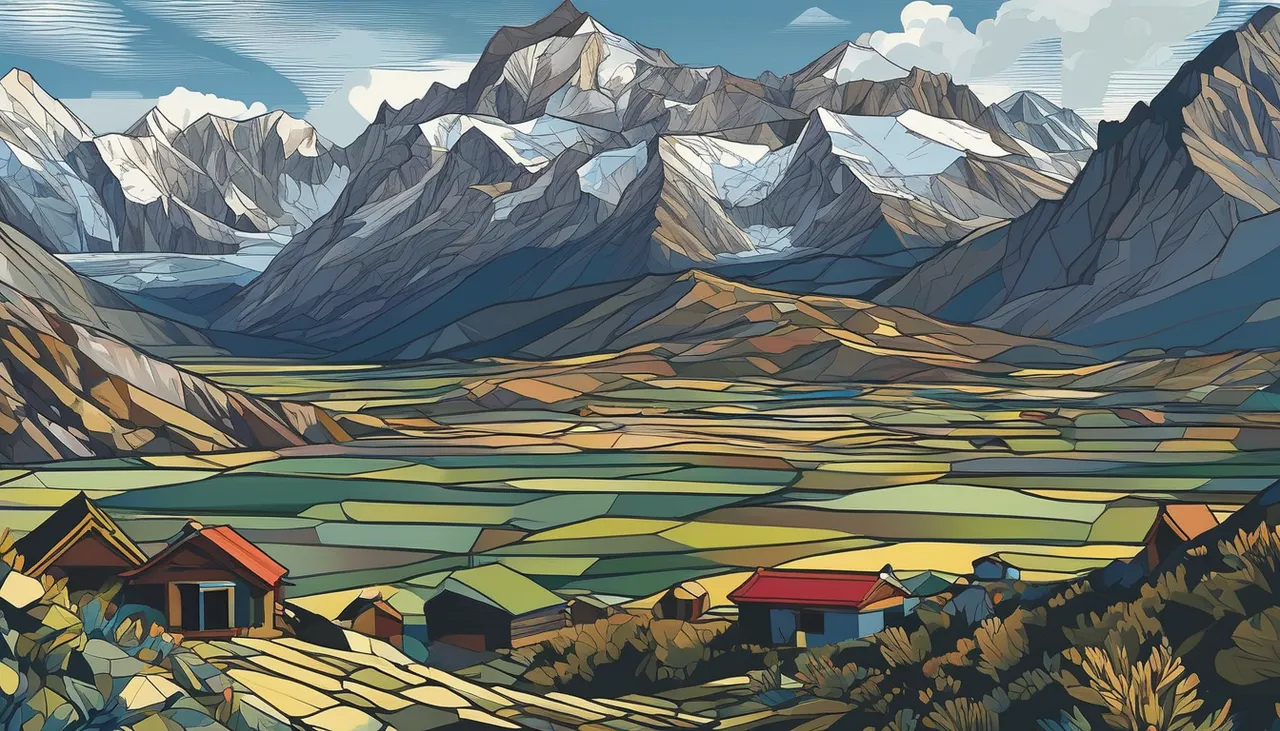
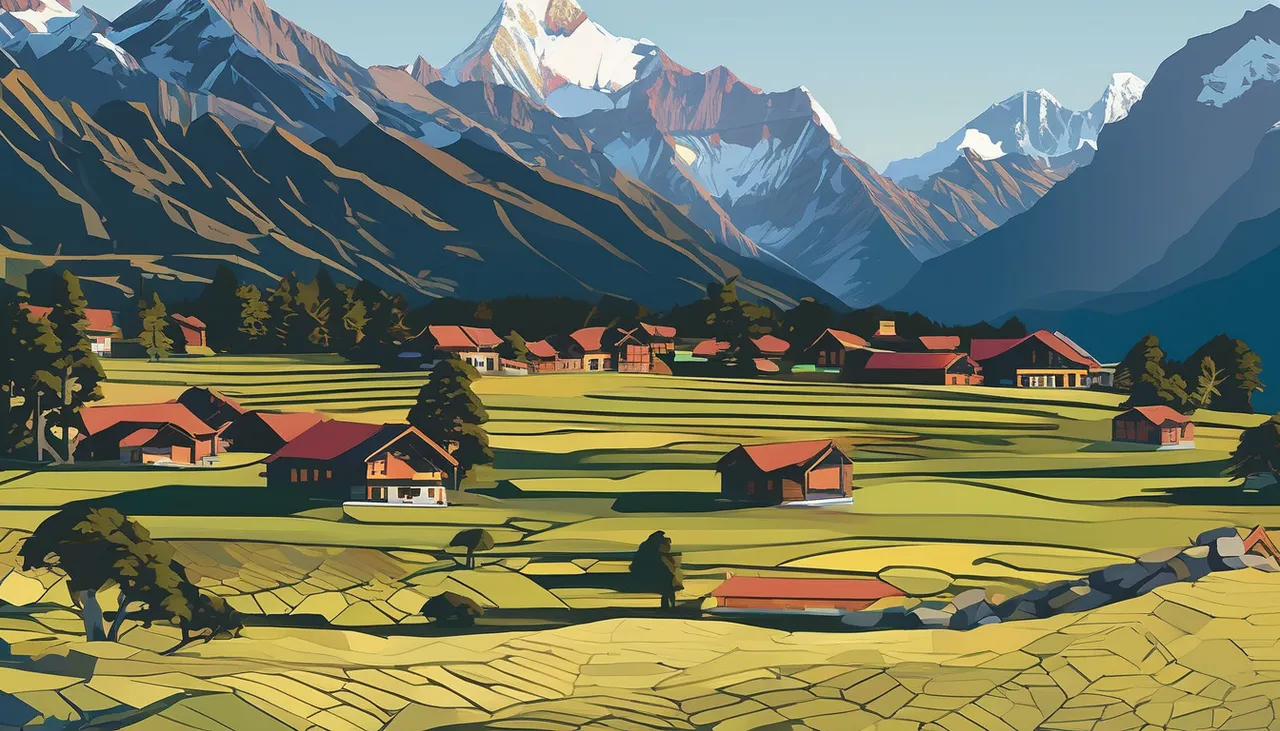
In short: Dingboche (4,410 m) is a stone-walled farming village under the north face of Ama Dablam, five days’ trek from Lukla after a flight from Kathmandu.
At a glance
- Up to 8 guests
- From US$2,350 whole event
- 6 celebrations
- Flight to Lukla + 5 days’ trek from Kathmandu
- Jan
- Feb
- Mar
- Apr
- May
- Jun
- Jul
- Aug
- Sep
- Oct
- Nov
- Dec
Why here
Why couples choose Dingboche
- Ama Dablam’s north face directly above stone-walled barley and potato fields
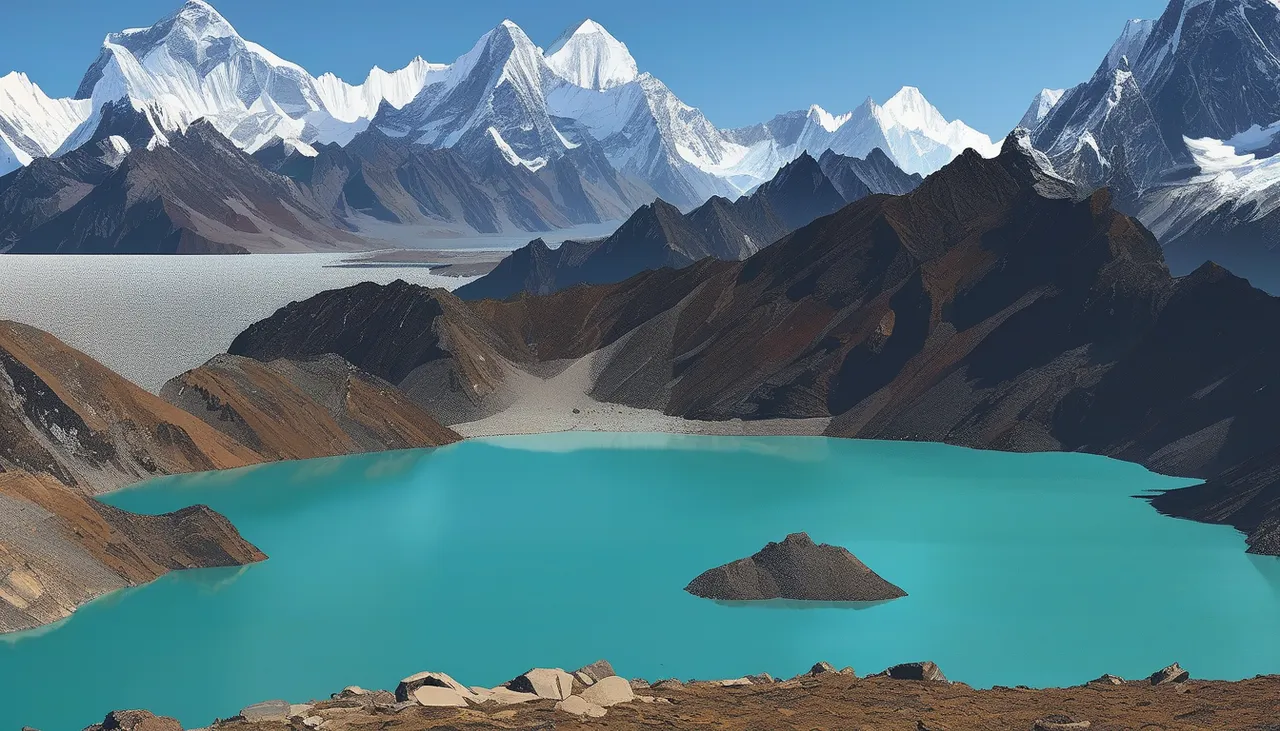
- The Lhotse wall and the Imja valley toward Island Peak, up-valley to the east
- The Nangkartshang hill acclimatisation climb (about 5,083 m)
- Sunset alpenglow on Ama Dablam and Taboche
Celebrations
What we plan in Dingboche
-
Wedding Photography
From US$2,3502–3 people
-
Elopement
From US$13,2002–6 people
-
Proposal
From US$3,0502–4 people
-
Pre-Wedding Shoot
From US$2,9002–3 people
-
Vow Renewal
From US$13,8002–7 people
-
Anniversary Celebration
From US$11,8002–6 people
Whole-event prices with VAT.
The guide
Where the ceremony happens
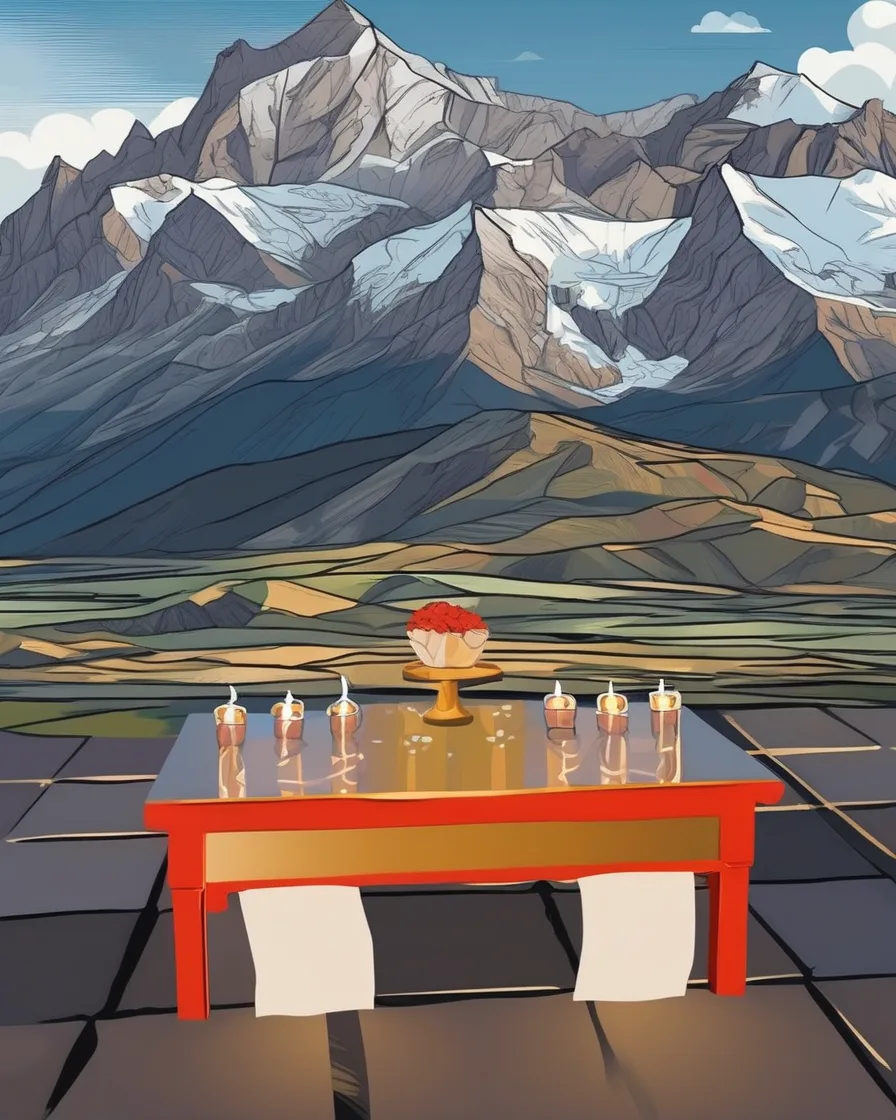
On the Nangkartshang shoulder, a non-sacred ridge above the village with Ama Dablam to the south and the Imja valley to the east. The hill carries chortens and prayer flags, which we leave untouched. In wind or cold, we move to a lodge courtyard sheltered by stone walls. The same views, a hot drink in hand. Pangboche Gompa, the oldest in the Khumbu, is a morning’s walk below and is for a quiet visit on the way up, not part of the event.
Season and light
October–November is clear, dry and cold; April–May is milder, with more afternoon cloud. Ama Dablam and Taboche take the sunset alpenglow, so portraits happen in the last hour of light. Vows are earlier, around 11:00–13:30, when the sun is warm and before the afternoon wind. Expect hard frost at night in late autumn, and unheated bedrooms.
Altitude and safety
CDC Yellow Book guidance: do not sleep above 2,750 m on the first night; above 3,000 m, raise sleeping altitude by no more than about 500 m a night, with a rest day for every 1,000 m gained. Dingboche is where that discipline matters most.
Read more
Our rules are simple: oximeter checks morning and evening; descend at the first sign of worsening altitude illness; carry medical oxygen; and require insurance with helicopter evacuation to 6,000 m (about US$88 for 14 days; HelloSafe). Anyone who is pregnant, or has a heart or lung condition, gets a doctor’s advice before booking.
Getting there
| Day | Route | Sleep |
|---|---|---|
| 1 | Fly to Lukla (US$238 from Kathmandu / US$198 from Ramechhap); walk to Phakding | 2,610 m |
| 2 | Namche | 3,440 m |
| 3 | Rest day | 3,440 m |
| 4 | Tengboche | 3,867 m |
| 5 | Dingboche via Pangboche | 4,410 m |
| 6 | Rest day: ceremony | 4,410 m |
Fares from Nepal Cheap Flights 2026. Porters carry 20–25 kg each at about US$18–25 a day, and a licensed guide costs US$30–40 a day; we always include one. We don’t fly in to sleep here, and helicopters above Lukla are restricted anyway (Onlinekhabar), so in Dingboche they are for evacuation only.
Transport
Transport options with prices
Fly to Lukla and trek 5 days with a rest day at Namche (Phakding, Namche, Namche, Tengboche, Dingboche), then rest again here. It is a trekking elopement; we don’t fly guests in to sleep at this height.
| Mode | How it works | Elopement, 4 people |
|---|---|---|
| Meet us in Dingboche | You book your own way in; our crew travels separately | US$14,350 |
| Mountain flight to Lukla (Kathmandu or Ramechhap) + guided trek Our default | Priced per seat, round trip; 9 guided trekking days (up and back); up to 8 peopleUS$238 each way foreigner fare; Nepali crew ≈ NPR 8,300; 15 kg baggage, so gear goes by porter; big groups split across morning flights | US$17,400 |
| Private helicopter day trip to Dingboche / Pheriche | 4 seats from Kathmandu, 3 per rotation at altitude; up to 6 people3 passengers per lift above 4,300 m. Landings above Lukla are sold subject to written flight permission for your date; Syangboche or Namche is the fallback | US$20,900 |
Same plan in every row, VAT included; only the travel changes.
Permits and rules
| Fee | Foreign guest | SAARC guest | Nepali citizen |
|---|---|---|---|
| Sagarmatha National Park entry | NPR 3,000 (US$20) | NPR 1,500 | NPR 100 |
| Khumbu Pasang Lhamu municipality fee | NPR 3,000 (US$20) | NPR 2,000 | none |
| Filming fee (video crew) | US$1,500 foreign crew | NPR 50,000 SAARC crew | NPR 10,000 Nepali crew (ours) |
| Filming fee with drone (+25%) | US$1,875 | NPR 62,500 | NPR 12,500 |
Children under 10 enter the park free, and entering without a permit costs double. Fees are shown at cost on your quote; USD figures use NPR 150 = US$1 (NRB reference rate, 14 Nov 2026).
Our Nepali crew’s filming permit costs NPR 10,000, or NPR 12,500 with a drone, against US$1,500/US$1,875 for a foreign crew.
Every ceremony we host in the Khumbu is symbolic or religious, not a legal registration. Two foreigners can marry legally in Nepal only through a District Court, after at least one partner has lived in that district for 15 days (Civil Code s.77, via Niti Partners), which no one does in the mountains. Most couples register at home and say their vows here.
Guests and lodging
Dingboche has 20-plus lodges, mostly simple, with the stove in the dining room as the only heat. We plan up to eight people: the couple, a few trekking friends, our photographer, a guide and porters. Upgrades are hot showers, attached bathrooms where available, and an extra sleeping bag.
Local community and etiquette
- Pass chortens, mani walls and prayer-flag cairns with them on your right, and never sit or stand on mani stones.
- Step to the mountain side of the trail when yaks or porters pass, and never block a suspension bridge for photos.
- Decor is real and packed out: no confetti, glitter, balloons, sky lanterns, fireworks or artificial petals. The Everest region has banned most single-use plastics since 2020 (Himalayan Times).
- No amplified music outdoors. Music is acoustic and indoors at the lodge, finished by the time the village sleeps.
- Sherpa communities traditionally avoid slaughter inside the Khumbu. Feast menus use meat carried up from below, or are vegetarian.
- No alcohol at or near monasteries, and keep celebrations low-key on village puja days.
Sample ceremony day
| Time | Plan |
|---|---|
| 07:30 | Oximeter check; breakfast |
| 08:30–10:30 | Slow acclimatisation climb up Nangkartshang; scouting portraits |
| 11:30 | Vows on the shoulder (or in the courtyard if the wind is up) |
| 13:00 | Celebration lunch at the lodge |
| 16:30 | Sunset portraits on Ama Dablam and Taboche at the field walls |
| Next days | Continue to Lobuche and Kala Patthar, or descend to Namche |
Practical notes
Helicopter landings above Lukla
Commercial helicopter landings above Lukla have been banned, suspended and partly reinstated since January 2025. Anything helicopter-based here is sold subject to written flight permission for your date, with Syangboche, the Hotel Everest View terrace or Namche Bazaar as the fallback we hold in reserve. There are no landings at Everest Base Camp.
The first night
Kathmandu sits at about 1,400 m. Nobody sleeps at Dingboche (4,410 m) on their first night up from Kathmandu, and nobody flies straight in to sleep here: we route guests through a lower overnight, and the ceremony comes after at least one acclimatization day.
Baggage and gear
Mountain flights allow about 15 kg per passenger (10 kg checked, 5 kg hand). Decor, florals, sound and spare camera bodies travel by porter or cargo, booked separately, never in your suitcase.
Why a Nepali crew matters here
Professional filming inside a protected area is charged US$1,500 for a foreign crew but NPR 10,000 for a Nepali-registered crew, plus 25% when a drone is used. Our crew is Nepali, so the lower fee applies and the paperwork runs through our office.
Drones
A drone needs CAAN registration plus district and site permission, and cannot fly within 5 km of an airport. We file the permissions and plan the flight from a venue outside any restricted zone.
Symbolic or legal?
A ceremony here is symbolic. For two foreign nationals, a legal marriage in Nepal means registering at a District Court after at least 15 days’ residence in that district, so most couples sign at home and celebrate here.
Nepal’s own wedding season
Mangsir (from about 17 November) and Falgun (mid-February to mid-March) are the peak Hindu wedding seasons. Priests, bands and decorators book out months ahead, so we lock vendors 6–9 months before those dates.
Also consider
Nearby and similar
FAQ
Dingboche: common questions
Can we get married in Dingboche?
Why not bring all our guests to Dingboche?
How long does it take to reach Dingboche?
How cold is it?
Can we fly in by helicopter?
What are the views from Nangkartshang?
Enquire
Plan Dingboche
Send a date, guest count and budget. We reply within one working day.
Thank you. We have it.
A planner will write within one working day.
Did you mean ?